
Eating Two Kiwifruit Daily Can Physically Thicken Your Skin

James Okafor

Forget expensive serums and luxury creams. The next frontier in skincare might be sitting in your fruit bowl. A groundbreaking new study reveals that your diet has a more profound impact on your skin's health than most topical treatments. The key player? Vitamin C.
Long hailed as a topical antioxidant, vitamin C's true power emerges when it's consumed. Recent research demonstrates that this nutrient travels directly from your plate into every layer of your skin. It fuels the biological machinery for collagen production and cellular renewal, leading to measurable physical changes.
The implications are clear. Achieving a healthy, resilient complexion is not just about what you put on your skin, but what you put in your body. This research provides a scientific blueprint for building better skin from the inside out, offering a simple and effective strategy for anyone seeking a natural glow.
The Direct Pathway From Plate to Skin
The revolutionary finding is the efficiency of delivery. When you eat vitamin C-rich foods, the nutrient is absorbed into your bloodstream. Scientists discovered an exceptionally tight correlation between vitamin C levels in the blood and levels found in skin tissue. This connection is stronger for skin than for any other organ studied.
This means your circulating blood acts as a personalized nutrient delivery system. It transports vitamin C past the skin's formidable outer barrier directly to where it's needed most. The skin cells themselves are highly efficient at pulling the vitamin from the blood.
They prioritize this uptake, ensuring the nutrient reaches both the deeper dermal layer, where collagen is made, and the outer epidermal layer, where renewal happens. This internal pathway is far more effective than hoping a cream can penetrate deeply enough to make a structural difference.
A Simple Dietary Intervention With Striking Results
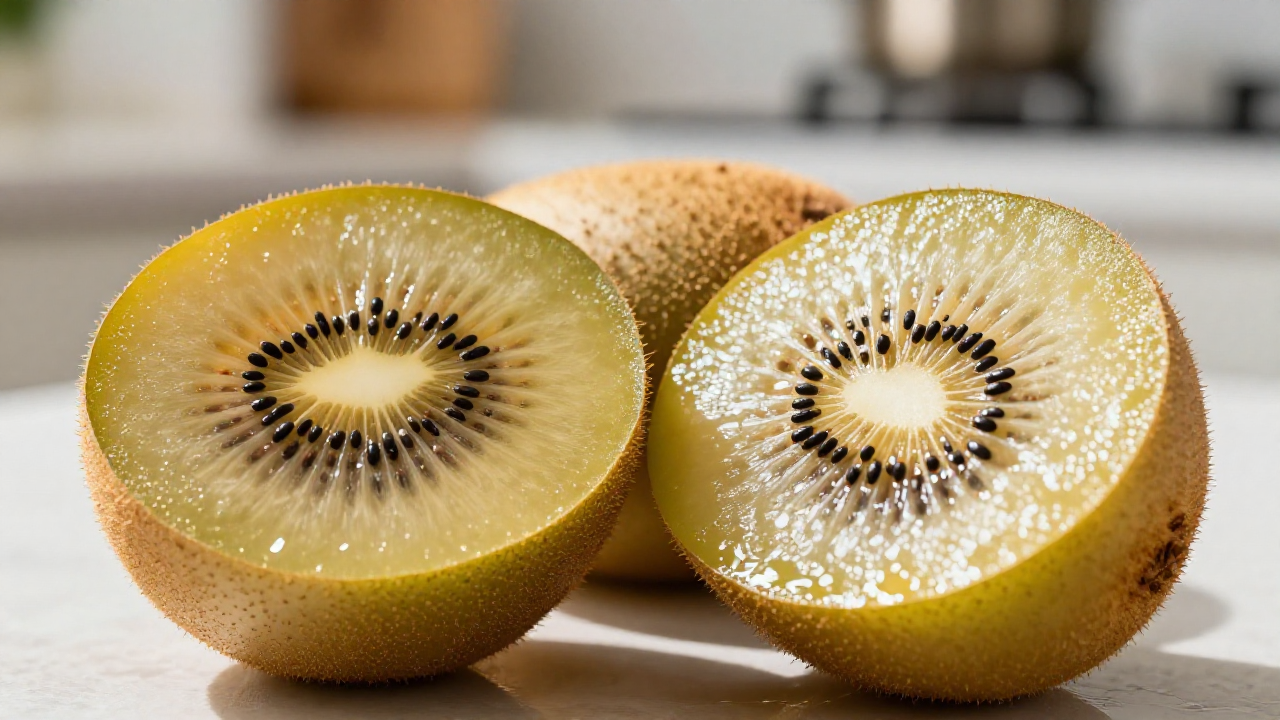
The study put this concept to the test with a clear and manageable intervention. Researchers recruited healthy adults and asked them to add two SunGold kiwifruit to their daily diet for eight weeks. This provided a consistent dose of approximately 250mg of vitamin C daily. The goal was to elevate and maintain optimal nutrient levels in the blood.
Before and after the two-month period, scientists took skin samples and performed non-invasive measurements. They tracked vitamin C concentration in the skin itself, assessed collagen density via skin thickness, and measured the rate of epidermal cell renewal. The results were unambiguous.
Participants who adhered to the simple fruit regimen showed a significant increase in skin vitamin C levels. This biochemical change translated directly to a physical improvement: measurably thicker skin. The increased thickness signaled a boost in collagen production, the protein responsible for skin's firmness and structure.
Why Creams Can't Compete With Your Diet
This research clarifies a major limitation of topical vitamin C skincare. Vitamin C is a water-soluble molecule. The skin's outermost barrier, the stratum corneum, is designed to keep water out. This makes it notoriously difficult for water-soluble actives in creams to penetrate in meaningful, concentrated amounts.
Even stabilized formulations that do cross the barrier face a distribution problem. They cannot efficiently reach the deeper dermal layer where fibroblasts produce collagen. Their effect is often localized to the very surface. In contrast, vitamin C from your diet has no such barrier.
Once in the bloodstream, it has vascular access to the entire skin organ. The study proved it reaches all compartments, from the basal layers upward. This allows it to support fundamental processes like collagen synthesis and antioxidant protection at their source, leading to holistic improvement rather than a surface-level change.
Building a Skin-Supportive Daily Habit
The most empowering takeaway is the simplicity of the solution. You don't need a complex regimen. The body does not store vitamin C, so consistent daily intake is crucial. Researchers note that a daily intake of around 250mg is sufficient for most healthy individuals to achieve optimal plasma levels.
This can be seamlessly integrated into your routine. The study used kiwifruit for its reliably high and consistent vitamin C content, but many other whole foods offer similar benefits. A daily habit of including one high-vitamin C food as part of your "five-plus-a-day" fruit and vegetable intake can sustain the effect.
Think beyond just oranges. Bell peppers, particularly the red and yellow varieties, strawberries, broccoli, Brussels sprouts, and papaya are all excellent sources. This diversity ensures you also get a broad spectrum of other phytonutrients and fiber, compounding the health benefits for your entire body, not just your skin.
The Tangible Benefits of Thicker, Renewed Skin
What does "improved skin function" actually mean for you? The study measured concrete parameters that translate to visible skin health. Increased skin thickness, driven by more collagen, directly improves firmness and reduces the appearance of fine lines. It creates a plumper, more youthful infrastructure.
Faster epidermal renewal means your skin sheds dead cells more efficiently. This leads to a smoother, more radiant surface texture and a brighter complexion. Enhanced skin function also implies better barrier integrity, which helps retain moisture and protect against environmental stressors.
Furthermore, vitamin C is a potent antioxidant. By quenching free radicals in the skin delivered via the bloodstream, it provides systemic protection against oxidative damage from UV exposure and pollution. This internal defense supports long-term skin health and resilience in a way topical antioxidants alone cannot match.
A Sustainable Philosophy for Long-Term Skin Health
This research advocates for a paradigm shift in how we approach skincare. It moves the focus from reactive external correction to proactive internal nourishment. While topical products can address specific surface concerns, they are often building on a foundation that diet fundamentally strengthens.
Viewing your skin as an organ that reflects your overall nutritional status is a more holistic and sustainable approach. Feeding your skin the right building blocks through whole foods supports its innate repair and renewal processes. This creates a cycle of health that is maintained by your daily choices.
The message is not to abandon your skincare routine, but to empower it. A nutrient-rich diet creates a healthier canvas. When your skin is functioning optimally from within, the products you use on the outside can work more effectively. You are supporting your biology rather than fighting against it.

The journey to healthier skin is not found in a single bottle. It is cultivated daily at the dining table. By choosing to include vitamin C-rich foods in your regular diet, you are making a direct investment in your skin's structural integrity and vitality. This science shows that true, lasting radiance really does start from within.
Sources
- Improved Human Skin Vitamin C Levels and Skin Function after Dietary Intake of Kiwifruit: A High-Vitamin-C FoodOriginal study by Pullar et al., published in the Journal of Investigative Dermatology (2025). Lead researcher: Professor Margreet Vissers, University of Otago, New Zealand.